Wondering how to test for black mold in your home? Finding dark spots on a wall, noticing a musty odor, or dealing with past water damage can leave you wondering whether mold is present and what to do next. Fortunately, there are several ways to investigate a potential mold problem, from visual inspection and surface sampling to air testing and laboratory dust analysis.
However, not every mold test provides the same information. Some kits check for mold growth on a surface, while others analyze collected air or household dust. Understanding these differences can help you choose the right black mold test for your situation.
In this guide, we explain how to test for black mold, compare common home mold testing methods, and explore how The Dust Test can help identify selected mold species in household dust.
Why Testing for Black Mold Matters
Black-colored mold can appear on materials affected by moisture, including walls, ceilings, window frames, and bathroom surfaces. However, color alone cannot reliably identify a mold species. Not every black-colored growth is the same type of mold, and a visual inspection cannot establish its exact identity.
Testing may help answer a specific question about a collected sample, but it is only one part of assessing a home's condition. Finding and correcting moisture problems is also important because mold growth is commonly associated with damp conditions.
You may want to investigate further if you notice:
- Dark spots or visible growth on walls, ceilings, or other surfaces.
- A persistent musty odor.
- Previous flooding, leaks, or water damage.
- Recurring dampness or condensation.
- Suspected mold growth in an area that is difficult to inspect.
If you can already see mold, you do not necessarily need a test to confirm that visible growth is present. The next step may be addressing the moisture source and determining the appropriate cleanup or professional response.
Comparison of the Best Black Mold Testing Methods
Before purchasing a black mold testing kit, compare what each method measures and what its results can tell you.
| Testing Method | How It Works | Best For | Important Limitation |
| Visual inspection | Looks for visible growth and moisture damage | Identifying areas that need attention | Cannot identify a mold species by appearance alone |
| Surface mold test kit | Collects a sample from a specific surface | Investigating a particular visible area | Represents the sampled surface, not the entire home |
| Air-sampling mold test | Collects airborne particles for analysis | Assessing an air sample from a specific location and time | Results can vary with sampling conditions |
| Petri-dish DIY kit | Uses a growth medium to observe mold growth | A preliminary DIY check | Growth alone does not identify every species or locate the source |
| Laboratory dust testing | Analyzes a collected household dust sample | Identifying selected mold species represented in dust | Does not establish exactly where mold is growing |
There is no single testing method that is best for every situation. The right choice depends on whether you want to investigate a specific surface, sample the air, or learn more about mold species represented in household dust.
How to Test for Black Mold at Home

If you suspect black mold, start by assessing the area and deciding what information you need. These steps can help you choose a reasonable next action without relying on appearance alone.
1. Inspect for Visible Growth and Moisture
Look for dark patches, water stains, peeling paint, damaged materials, condensation, and signs of leaking pipes or windows. Check areas where moisture commonly accumulates, such as bathrooms, basements, kitchens, and around plumbing fixtures.
Do not touch or disturb suspected mold unnecessarily, particularly if the affected area is extensive. Disturbing growth may release particles into the air.
2. Identify the Possible Moisture Source
Mold growth is often associated with persistent moisture. Consider whether the area has experienced a leak, flooding, poor ventilation, or recurring condensation.
Testing cannot replace fixing a leaking pipe, repairing water damage, or managing persistent dampness. Addressing the underlying condition is an important part of dealing with a potential mold problem.
3. Decide What You Want to Test
Your choice of test should match your question.
- Specific surface: Consider a suitable surface-sampling method.
- Airborne particles: Look into air-sampling options and how their results are analyzed.
- Mold species in household dust: Consider a laboratory dust test, such as The Dust Test.
- Visible or extensive mold growth: Focus on moisture control and consider professional assessment where appropriate.
4. Follow the Test Instructions Carefully
If you decide to use a mold testing kit, follow its collection and handling instructions. Different methods require different sampling procedures, and an incorrectly collected sample may not provide useful information.
Before purchasing, check whether laboratory processing is included, what organisms or markers the test covers, and how results are delivered.
5. Interpret the Results Within Their Limits
A positive result can provide information about the sample tested, but it does not automatically establish the source or extent of mold throughout your home. Likewise, a negative result does not guarantee that every area is free of mold.
If the results are unclear or you continue to have concerns about water damage or concealed growth, further building assessment may be appropriate.
The Dust Test — A Modern Approach to Mold Detection
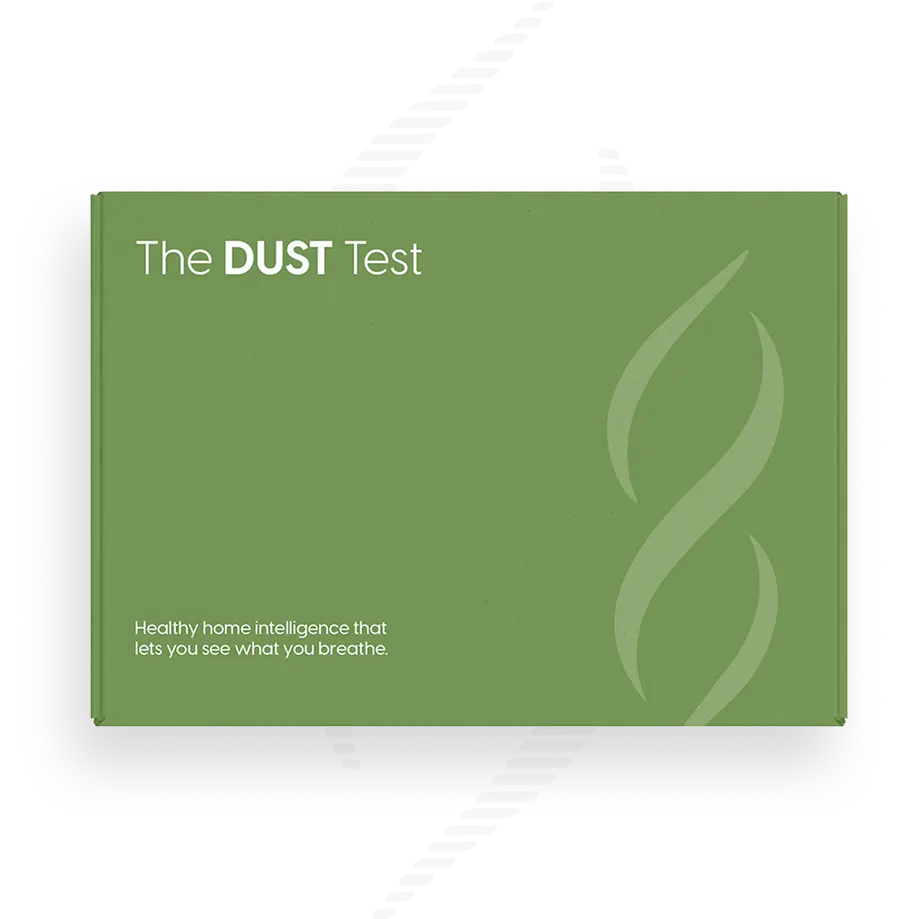
The Dust Test uses household dust sampling and laboratory analysis to identify 36 mold species. Its approach is different from a surface swab or a single air sample because it examines the collected dust rather than only a specific visible patch or a momentary air sample.
The test uses PCR technology, and customers receive personalized results through an online portal. This may be useful for homeowners who want information about selected mold species represented in their household dust.
It is important to understand what dust testing can and cannot tell you. A dust sample does not, by itself, confirm where mold is actively growing, identify every hidden moisture problem, or diagnose a health condition.
What to Consider When Choosing The Dust Test
- Mold species coverage: Review the test's stated coverage of 36 mold species.
- Laboratory analysis: Understand how the collected dust sample is processed.
- Sample collection: Follow the supplied instructions carefully.
- Personalized reporting: Review the results provided through the customer portal.
- Next steps: Use the findings alongside observations of moisture and the building's condition.
If your goal is to learn more about selected mold species found in household dust, The Dust Test is one option to compare with surface and air-sampling methods.
Can a Black Mold Test Kit Identify Toxic Black Mold?
One of the most common questions homeowners ask is whether a black mold test can confirm the presence of a particular species, such as Stachybotrys chartarum.
The answer depends on the test method and what the laboratory analyzes. A dark patch on a wall cannot reliably identify a species, and a basic growth-based kit may not provide the species-level information you are looking for.
If identifying a particular mold species is important, review the test's stated analytical capabilities before buying. Confirm which organisms the test can identify and whether its report provides species-level results.
Also remember that detecting a mold species in a sample does not automatically establish the extent of contamination in the building or the health risk to a particular person. Those questions require careful interpretation and, where appropriate, separate professional advice.
Black Mold Testing: DIY Kits vs. Laboratory Analysis

When comparing black mold testing options, it helps to understand the difference between a basic DIY check and a test that involves laboratory analysis.
DIY Mold Testing Kits
Some DIY kits use a growth medium or provide materials for collecting a surface sample. They may be convenient for a preliminary investigation, but their capabilities vary.
Before buying a DIY black mold test kit, check whether it identifies specific species, requires laboratory processing, or simply shows whether growth occurs under the test conditions.
Laboratory Mold Testing
Laboratory tests analyze a sample using a specified method. Depending on the test, this may provide more detailed information about the organisms or markers being examined.
However, laboratory analysis does not automatically make every test suitable for every purpose. The sample type, analytical method, and organisms covered still matter.
Dust-Based Mold Testing
Dust-based testing analyzes a collected household dust sample. It can provide information about selected mold species represented in that sample, but it does not necessarily locate active mold growth or identify the precise source of the particles.
For homeowners comparing testing methods, The Dust Test is an option for laboratory analysis of household dust.
How to Choose the Right Black Mold Test for Your Home
The best black mold testing method depends on the situation you are investigating.
- If you see a dark patch: Start by assessing the affected material and moisture source. A test may be useful if identifying the sampled material is necessary.
- If you want to assess airborne particles: Compare air-sampling products and review their collection and analysis procedures.
- If you want to identify selected mold species in household dust: Consider a dust-based laboratory test.
- If you have a basic DIY testing goal: Review the limitations of growth-based kits before relying on their results.
- If mold growth is extensive or water damage is recurring: Consider qualified professional help to assess the building and address the moisture problem.
Choose a kit based on the question you need answered rather than assuming that every mold test can provide the same information.
Final Thoughts
Learning how to test for black mold at home starts with understanding the limits of visual inspection and the differences between testing methods. Dark-colored growth cannot be reliably identified by appearance alone, and a single test cannot guarantee that every mold problem in a building has been found.
Before buying a black mold test kit, compare its sampling method, species coverage, laboratory services, reporting details, and total cost. If you have ongoing moisture problems or extensive visible growth, addressing the underlying building condition is essential.
For homeowners who want to investigate selected mold species in household dust, The Dust Test offers a PCR-based laboratory testing approach covering 36 mold species, with personalized reporting through an online portal. Compare this option with surface and air-sampling methods to determine which approach best fits your needs.
Frequently Asked Questions
1. How do you test for black mold at home?
Start by inspecting for visible growth and moisture problems. Depending on your goal, you may consider surface sampling, air testing, or laboratory analysis of household dust. The appropriate method depends on the sample and information you need.
2. Can you identify black mold by its color?
No. Mold color alone cannot reliably identify its species. Different types of mold can look similar, so identification requires an appropriate testing method if species-level information is needed.
3. What is the best black mold test kit?
The best option depends on what you want to investigate. Surface kits, air-sampling kits, growth-based kits, and laboratory dust tests provide different types of information. Compare their methods and limitations before choosing.
4. Can a DIY mold test kit identify a specific mold species?
Not necessarily. Some kits provide only a preliminary indication of growth, while others include laboratory analysis. Check the product's stated capabilities and confirm whether it identifies specific species.
5. Can a dust test detect black mold?
A dust test may identify selected mold species represented in the collected dust if they are included in the test's analytical coverage. It does not necessarily establish where mold is growing or the extent of a building problem.
6. Is black mold always toxic?
The term “black mold” describes appearance rather than a single species. Potential health effects depend on multiple factors, and color alone cannot establish toxicity or an individual's risk. If you have health concerns, seek advice from a qualified healthcare professional.
7. Should I test for black mold if I can already see it?
Testing is not always necessary to recognize visible mold. Addressing the moisture source and deciding on appropriate cleanup are important. Testing may be useful when specific identification is needed, but it should not delay action on a moisture problem.
8. Does a negative mold test mean my home is mold-free?
No. A result reflects the sample collected and the method used. A negative result cannot guarantee that every area of a building is free from mold, especially if sampling was limited or conditions vary across the home.