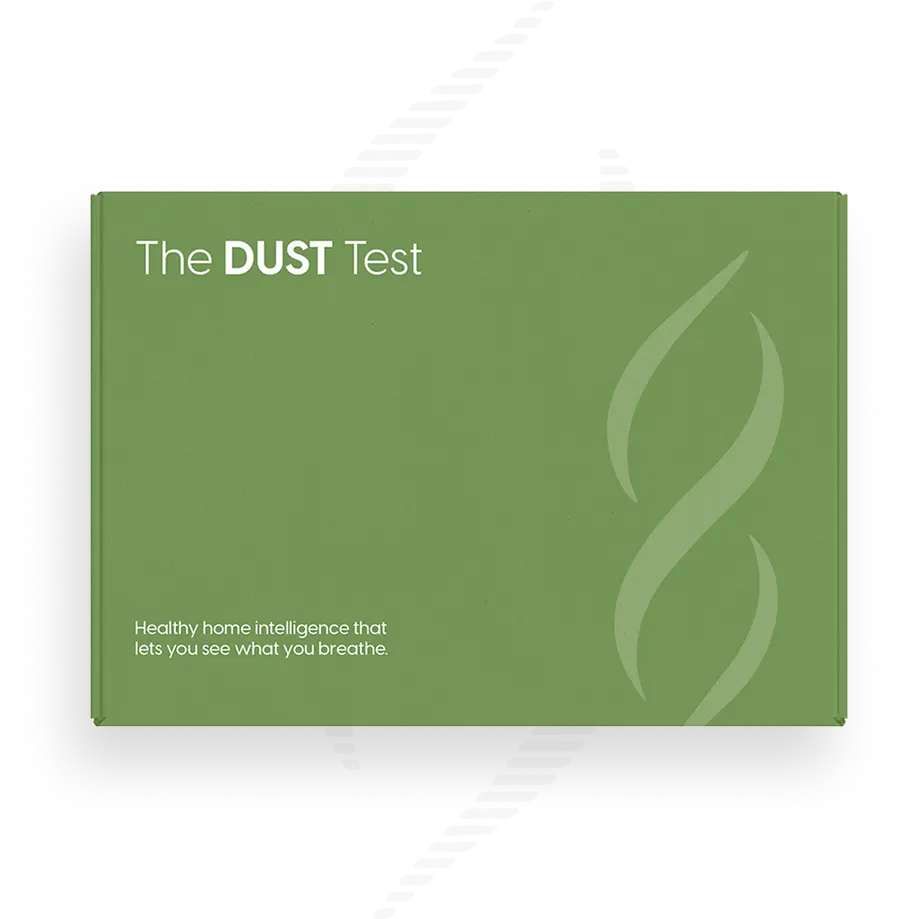
Key Features Include: – Lab-grade DNA analysis – Detection of 36 health-harming molds – Comparison against EPA’s ERMI scale – 20-minute expert consult included – Dust collector, gloves, prepaid return envelope, and easy-to-follow instruction.
Mold can quietly compromise your health and your home without any visible signs. From chronic fatigue to unexplained allergies, mold exposure can be the invisible culprit behind many health issues. That’s why testing your home for mold is not just a precaution; it’s a necessity. In this guide, you’ll learn how to use a mold test kit effectively, what to look for, and why an advanced mold detection kit like offers one of the most reliable and health-focused solutions.
Why Mold Testing Matters
Mold thrives in damp, dark, and poorly ventilated areas. Unfortunately, even spotless homes can harbor mold, especially in HVAC systems, behind walls, under sinks, or in crawl spaces. Mold spores are microscopic and can easily mix with house dust, making them difficult to detect.
If you’re experiencing ongoing health symptoms such as sinus issues, skin irritations, headaches, or brain fog, a mold testing can help you connect the dots between your symptoms and your environment.
Common Signs You Might Need a Mold Test
Some key indicators that you should consider a mold test include persistent musty odors, unexplained allergies or asthma, water damage or visible mold spots, frequent sinus infections or respiratory issues, and symptoms like fatigue, brain fog, or mood changes. If you notice any of these, it’s time to consider using a mold inspection kit.
Types of Mold Test Kits
There are several types of mold test kits for home use, each with its strengths. Air sampling kits measure airborne spores but may miss hidden sources. Tape or swab kits collect samples from visible mold patches. Dust-based kits, like The Dust Test, collect settled dust that contains spores from all over your home, offering a comprehensive mold profile.
Each type of kit serves a purpose, but for non-visible mold, a mold analysis kit that tests household dust is typically the most accurate and comprehensive.
Why The Dust Test Stands Out
Unlike conventional kits, The Dust Test uses DNA-based qPCR technology (Quantitative Polymerase Chain Reaction) to detect 36 mold species from household dust. The test provides a health-centric evaluation by cross-referencing your results with the EPA’s ERMI (Environmental Relative Moldiness Index) scale.
This test is trusted by health-conscious individuals and practitioners because it’s designed not only to detect mold but to inform you of its potential health risks. It provides more actionable insights than a basic black mould test or swab kit.

Whether you’re already dealing with health symptoms or simply want peace of mind, this is not just a mold test—it’s a full-picture tool for assessing environmental health.
How to Use a Home Mold Test Kit
Using an at home mold test is simple with the right instructions. First, read the kit’s guidelines carefully. Then, choose sampling locations, focus on high-risk areas like bedrooms, HVAC vents, and living spaces. For The Dust Test, use the provided Swiffer-style cloth to gather dust from various surfaces.
Next, package your sample in the prepaid envelope and send it to the lab. Within days, you’ll receive a detailed lab report. You can also schedule a consultation to help interpret your results and decide on next steps.
This level of accessibility and accuracy makes The Dust Test a top choice among professional mold test kits.
Mold Prevention Tips Post-Testing
After your test, whether it reveals mild or high levels of mold, there are some essential steps you can take to improve your home environment. Use dehumidifiers to maintain indoor humidity below 50%. Fix any leaks immediately and improve ventilation, especially in bathrooms and kitchens. Use HEPA filters in your HVAC system and clean regularly to reduce spore accumulation.

These proactive steps, combined with regular monitoring, can drastically reduce your exposure to harmful mold spores.
When to Retest
If your initial results indicate a problem and you’ve taken remediation steps, retesting after 3–6 months is recommended. It tracks changes in your indoor mold levels over time, helping you confirm whether your efforts have been effective.
Mold might be invisible, but its impact on your health is not. Don’t wait for symptoms to worsen or mold to spread further. With a reliable test, you can take back control of your health and your environment. Testing is a small investment that could make a huge difference in your overall well-being.
Stop guessing and start getting answers. The Dust Test is the easiest, most comprehensive mold test kit for your home. Trusted by health-conscious families and functional medicine practitioners alike, it’s a wellness investment.